WE ARE COMMITTED TO PROVIDING
THE HIGHEST QUALITY OF CARDIAC CARE

and provide this care regardless of a person's race, creed, religion or economic capacity.

PREVENTION AND CARE

ARTICLES

Cardiology Unlimited's Articles provides the latest information on heart disease prevention, nutrition and breakthroughs in cardiovascular care. In this small space on our website, we offer you a space where information and prevention is the most important thing. We love to take care of you but we also want you and your family to be healthy.

The Importance of Cardiologists: How They Help You and What They Do for You

Cardiologists are specialized doctors in the diagnosis and treatment of diseases related to the heart and cardiovascular system. Their role is essential in the care of cardiovascular health and they play a key role in the prevention, early diagnosis, and treatment of heart diseases. In this article, we will explore the importance of cardiologists and how they can help you maintain a healthy heart. Cardiologists play a crucial role in the care of cardiovascular health. From evaluation and diagnosis to treatment, management, and prevention of heart diseases, they are specialized professionals dedicated to ensuring the health and well-being of the heart. If you have concerns related to your cardiovascular health, do not hesitate to seek the guidance of a cardiologist. Remember that early attention and proper care can make a difference in the prevention and management of heart diseases, helping you maintain a healthy heart.

Read More »

Cholesterol and Heart Disease: Understanding the Connection and How to Maintain a Healthy Heart

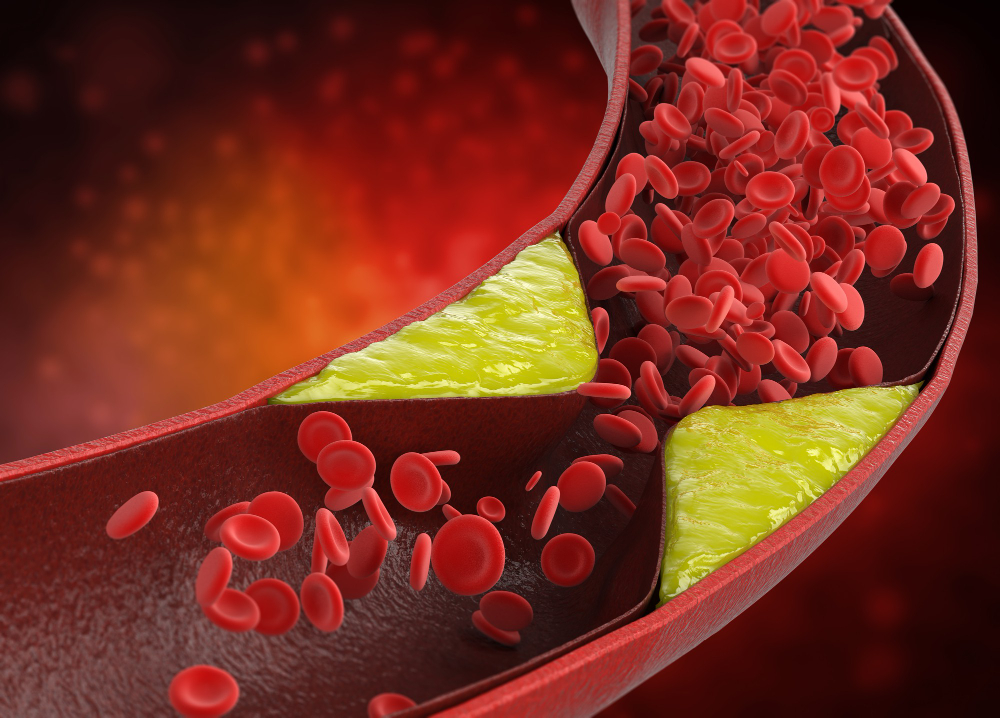
Heart disease is one of the leading causes of death worldwide, and high cholesterol is a significant risk factor for its development. Cholesterol is a waxy, fatty substance found in every cell of the body. However, when cholesterol levels in the blood are too high, it can build up in the arteries and form plaques that obstruct blood flow to the heart. In this article, we will explore the connection between cholesterol and heart disease, as well as strategies for maintaining a healthy heart. High cholesterol and heart disease are closely linked. Maintaining healthy cholesterol levels, particularly by reducing LDL levels and increasing HDL levels, is crucial for protecting cardiovascular health. Adopting a healthy lifestyle that includes a balanced diet, regular physical activity, weight control, smoking cessation, and proper medical follow-up are key steps to maintaining a healthy heart. Remember that care and prevention are essential in reducing the risk of heart disease and promoting a fulfilling and healthy life.

Read More »

SYMPTOMS OF HEART DISEASE

The heart is the most important muscle in your body, and the rate of surviving heart failure is only 65% in the first year of treatment, 75% in the second year, 85% in the third year of treatment; therefore, wasting time is akin to playing Russian Roulette with your life and it is important to start treatment immediately if you have any of the following telltale symptoms. Unfortunately, most symptoms of heart disease are written-off as “nothing” by the people who are at the highest risk. For this reason, it is imperative to educate yourself about the symptoms of heart disease so you can be proactive and recognize the signs of cardiac problems. If you have any of the following 12 telltale symptoms of heart disease, do not ignore them, be proactive about your care, and increase your chance of surviving heart disease. CHEST DISCOMFORTThe most telling symptom of heart problems is chest discomfort under the left-center of one’s breastbone. A burning or tight sensation, regardless of how mild could be a sign of an upcoming cardiac incident. PAINPain often starts in the chest and spreads to the shoulders, hands, elbows, arms, abdomen, back, neck, or jaw. This pain may be intermittent or mild in nature. ANXIETYHeart problems often come hand-in-hand with intense anxiety and a phobia of death. Heart attack survivors often describe feeling an pervasive sense of doom. IRREGULAR PULSERapid or irregular pulses are often seen in patients suffering heart attacks, heart failure, or arrhythmias. If your pulse is rapid or irregular, then seek immediate medical treatment. COUGHWhile a cough can be a sign of another illness, coughing or wheezing can also be a result of fluid accumulating in the lungs. If you ever cough up bloody phlegm, seek immediate medical care. SHORT BREATHOften, people suffering a cardiac event may not exhibit signs of chest pain. In these cases, a shortness of breath or tightness in the chest is often observed. This phenomena is especially common in patients suffering from Chronic Obstructive Pulmonary Disease (COPD).

Read More »

A Guide to Cardiac Rhythms and Their Importance in Cardiovascular Health

The human heart is a vital organ that beats constantly to maintain blood circulation throughout the body. Cardiac rhythm, also known as heart rate, refers to the number of times the heart beats in a minute. The study of cardiac rhythms is crucial for understanding the functioning of the heart and its relationship to overall cardiovascular health. In this article, we will explore different cardiac rhythms, their significance, and what an alteration in heart rhythm may indicate. Normal Cardiac Rhythm: The normal resting heart rate for a healthy adult ranges from 60 to 100 beats per minute. This range can vary depending on age, level of physical activity, and other individual factors. A regular and steady heart rhythm is indicative of a healthy heart and proper blood circulation. Tachycardia: Tachycardia occurs when the heart beats faster than normal, usually above 100 beats per minute at rest. It can be caused by stress, anxiety, intense exercise, caffeine consumption, or conditions such as fever, anemia, or an overactive thyroid. In some cases, tachycardia may indicate an underlying heart problem and require medical attention. Bradycardia: On the other hand, bradycardia refers to a slower-than-normal heart rate, usually below 60 beats per minute at rest. It can be caused by factors such as advanced age, medications, hypothyroidism, heart disease, or simply being in excellent physical condition. In some cases, bradycardia can affect proper blood flow and require medical evaluation. Arrhythmias: Arrhythmias are rhythm disorders in which the heart can beat too fast (tachyarrhythmia), too slow (bradyarrhythmia), or irregularly. These alterations can affect the heart’s ability to pump blood efficiently and can be caused by structural heart problems, heart muscle diseases, alcohol or drug consumption, and other factors. Arrhythmias may require medical treatment, ranging from medication to specialized procedures. Importance of Detecting and Monitoring Cardiac Rhythms: Detecting and monitoring cardiac rhythms are essential for evaluating cardiovascular health and detecting potential heart problems. Electrocardiograms (ECGs) are commonly used tools to record the heart’s electrical activity and evaluate cardiac rhythms. Portable heart rate monitors are also widely used for continuous or intermittent monitoring. In conclusion, understanding cardiac rhythms and their importance in cardiovascular health is crucial for maintaining a healthy life. Proper care of the heart, timely medical attention, and regular monitoring are essential for maintaining a healthy heart rhythm and preventing potential cardiac complications in the future.


Read More »